Plant-Based Skincare Products: Benefits, Ingredients and How to Choose the Right Ones
Skincare labels can make choosing a routine feel complicated. Plant based skincare products offer an alternative for people who want to understand the ingredients they apply and build routines around botanicals, oils, butters, hydrosols and clays. But “plant-based” should not be treated as a guarantee that every formula will suit every person.
Understand what plant ingredients can offer, assess the complete formulation and choose products according to your skin’s needs.
What Are Plant-Based Ingredients?
Plant-based skincare draws from ingredients obtained from plants, including cold-pressed oils, floral waters, botanical powders, extracts, butters and essential oils. Their roles can vary considerably. An oil may soften and condition, a hydrosol can provide a refreshing step, while a botanical powder may be used in a cleansing or mask routine.
This variety is one reason natural skincare products can be appealing. Instead of choosing products solely by a trend, you can look at the purpose of each ingredient and decide whether it fits your routine.
Benefits of a Plant-Led Routine
A plant-based routine can keep skincare focused on nourishment, cleansing and maintaining comfortable-looking skin. Plant oils can help support softness, while floral waters and hydrosols offer lightweight ways to refresh the face.
However, “natural” does not mean universally gentle. Essential oils and botanical ingredients may cause sensitivity for some people. Patch testing new natural skincare products and introducing one product at a time can make it easier to understand how your skin responds.
Ingredients Worth Understanding
When exploring plant based skincare products, look beyond familiar ingredient names.
Rose water is commonly used in refreshing facial products. Coconut, jojoba, avocado, argan and pomegranate oils can serve conditioning and nourishing purposes. Botanical powders such as hibiscus or neem may be incorporated into masks or other traditional routines.
Bask in Nature’s Rose Facial Mist is made with steam-distilled Damascus rose water and is designed as a refreshing, hydrating facial step. It can be used after cleansing or during the day when skin needs a quick refresh.
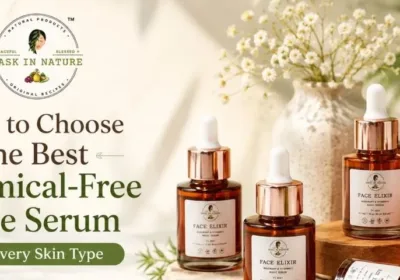
Its Face Elixir takes another approach, combining cold-pressed oils such as apricot kernel, pomegranate, avocado, jojoba, rosehip, argan, grapeseed and moringa. The brand offers variants according to different skin types and recommends using a few drops at night.
How to Choose the Right Product
Start with your skin concern rather than the ingredient that sounds most attractive. If your skin feels dry, consider products designed for nourishment. If it feels oily, avoid assuming that every facial oil is unsuitable; instead, assess the specific formulation and intended skin type.
Organic skincare products can be considered within this process, but organic certification or terminology alone does not determine whether a product is right for you. Read the complete ingredient list, usage directions and product description.
Also consider texture, frequency of use and storage requirements. A product that fits comfortably into your routine is more useful than one purchased solely because it is popular.
Assess the Brand, Not Just the Bottle
Trustworthy brands should make ingredient information accessible and communicate realistic expectations. With handmade skincare products, freshness and batch information are especially useful. Check manufacturing details, shelf-life guidance and storage instructions.
You can also assess authenticity through the brand’s official social media handle. Look for consistent posts, customer tags, older content and detailed testimonials rather than relying entirely on polished promotional claims. Compare these observations with the website, packaging and stated values. When a brand consistently demonstrates what it says it believes, its positioning becomes easier to assess.
Bask in Nature’s range reflects a plant-focused, handmade approach, but individual products should still be selected according to personal needs and preferences.
FAQs
Are plant-based ingredients suitable for sensitive skin?
Not always. Botanical ingredients can still cause reactions, so patch testing is recommended.
Are organic skincare products automatically better?
No. Consider the complete formulation, ingredient transparency and whether the product suits your skin.
Are handmade skincare products fresher?
Small-batch production can support freshness, but check batch dates, storage guidance and shelf life.
How should beginners choose plant-based skincare?
Start with a few purposeful products, introduce them gradually and observe how your skin responds.