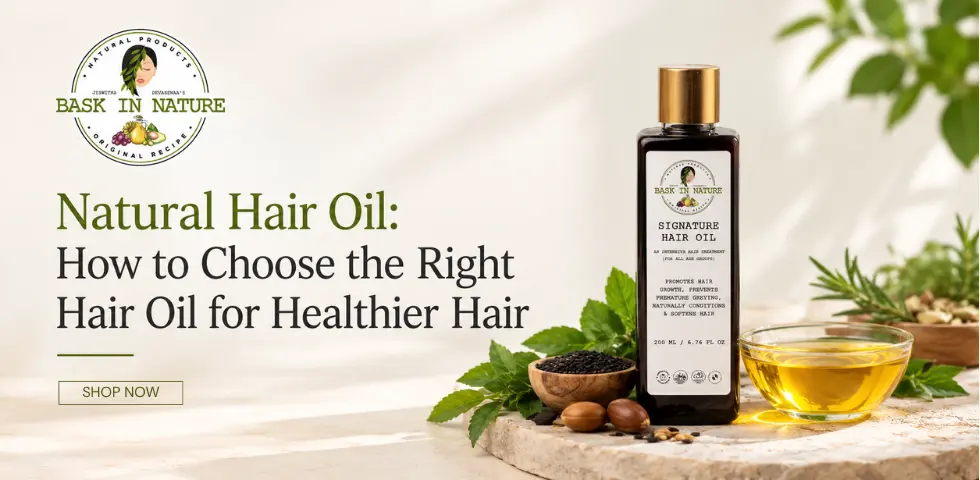
Natural Hair Oil: How to Choose the Right Hair Oil for Healthier Hair
Hair oiling has been part of Indian hair-care traditions for generations, but choosing an oil today can feel overwhelming. With shelves filled with blends, serums, and treatments, the right choice depends less on impressive claims and more on your scalp, hair texture, ingredients, and routine. Oiling can be a useful pre-wash ritual when selected thoughtfully and used consistently for your regular routine.
What Should You Look For in a Hair Oil?
Start by identifying what your hair actually needs. A dry scalp and dry lengths may benefit from richer oils, while fine or easily weighed-down hair may prefer a lighter application. Consider the base oil first. Coconut, jojoba, almond, argan, and other botanical oils have different textures and characteristics, so the blend matters as much as the label.
Natural hair products should also have transparent ingredient lists. Look for clearly identified oils, botanicals, and other ingredients instead of choosing a product simply because its packaging says “natural.” Remember that botanical ingredients can still cause sensitivity, so patch testing a new product is sensible.
Scalp or Lengths? Know Where the Oil Belongs
One common mistake is assuming every oil should be applied from roots to tips. Your scalp and lengths have different needs. A scalp-focused oil can be massaged gently with the fingertips before washing, while a lighter treatment may be better suited to the mid-lengths and ends.
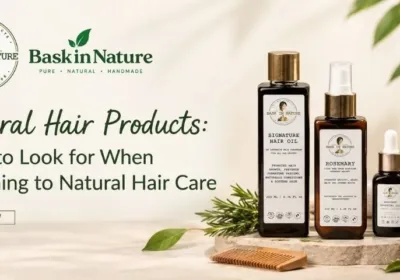
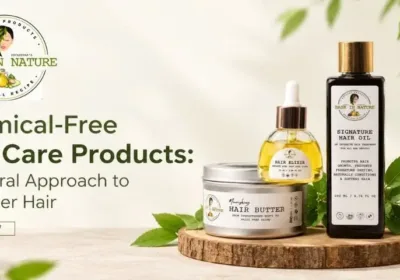
Bask in Nature’s Signature Hair Oil is designed as a nourishing scalp-and-hair oil. Its blend includes virgin coconut oil, bhringraj, indigo, balloon vine, amla, liquorice root and other botanicals. The brand recommends massaging it into the scalp and lengths, leaving it for a few hours or overnight, then washing thoroughly. It is positioned for nourishment and stronger, healthier-looking hair.
How Often Should You Oil Your Hair?
There is no universal schedule. Oiling once or twice a week may suit some routines, while others may need less frequent application. More oil does not necessarily mean more benefit. Apply enough to distribute comfortably, massage without scratching and wash thoroughly afterward.
If your scalp becomes itchy, irritated or unusually greasy, reconsider the amount, frequency or formulation. A good routine should leave your hair comfortable rather than create another problem to manage.
Choosing Between Different Natural Oils
When comparing natural personal care products, consider the purpose of each formulation. Coconut oil is commonly used for conditioning, while lighter oils such as jojoba or grapeseed may feel different on the hair. Blended products can combine several oils to create a particular texture and intended experience.
Chemical free hair care products is a popular search phrase, but “chemical-free” is not technically precise because everything, including water and plant oils, consists of chemicals. Instead, examine the actual ingredient list and decide whether it matches your preferences.
A Simple Oiling Routine
Begin with dry or slightly damp hair, depending on the product instructions. Section your hair if necessary and apply the oil to the intended areas. Use your fingertips rather than your nails, and massage gently. Avoid vigorous rubbing, which can create unnecessary friction.
Leave the product on for the recommended period and cleanse thoroughly. If your hair feels coated afterward, use less oil next time rather than repeatedly increasing shampoo.
Natural hair products are most useful when they complement sensible hair-care habits. Pair oiling with gentle cleansing, careful detangling, balanced nutrition, and reduced heat or chemical processing where appropriate.
FAQs
Is natural hair oil suitable for everyone?
Not necessarily. Hair texture, scalp condition, and individual sensitivities differ. Patch test and introduce new products gradually.
Can oiling make hair grow faster?
There is no guarantee. Oiling can condition hair and support scalp care, but persistent hair loss may have causes that require professional evaluation.
Can I use chemical free hair care products every day?
It depends on the product. Follow its directions and your scalp’s response rather than assuming daily use is necessary.
How do I choose natural personal care products for hair?
Read the full ingredient list, understand where the product should be applied, check usage instructions, and choose a formulation suited to your hair and scalp.