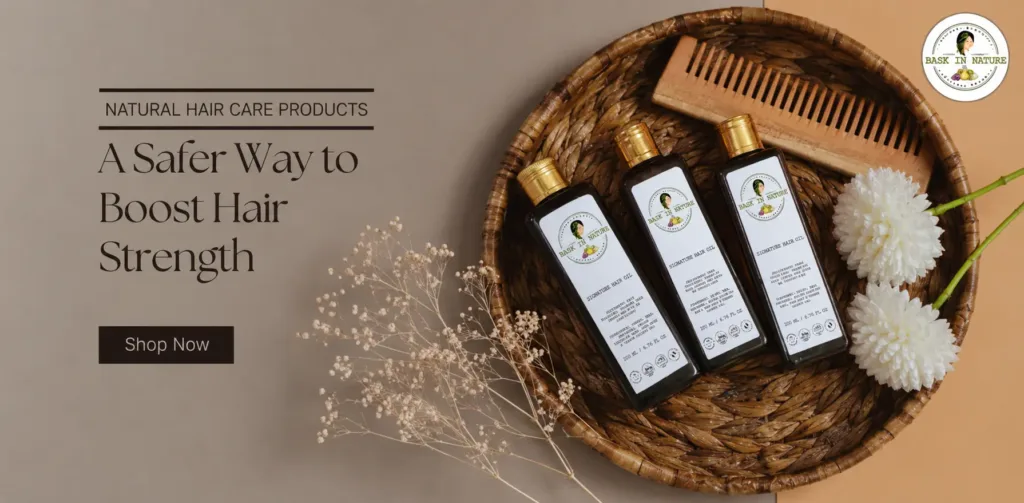
Natural Hair Care Products: A Safer Way to Boost Hair Strength
Haircare today has become increasingly complicated. Between heat styling, pollution, chemical treatments, stress, and hard water exposure, modern hair goes through far more damage than it did a generation ago. As a result, many people are rethinking their routines and moving toward gentler, ingredient-conscious solutions that support long-term scalp and hair health.
This shift toward cleaner self-care has also increased interest in routines that prioritize overall wellness, including the use of a chemical-free face serum and a more mindful plant-based skincare routine. Consumers are beginning to recognize that the same care given to facial skin should also extend to scalp and hair health.
What Are Considered Natural Hair Care Products?
Natural hair care products are formulations that primarily rely on plant-derived oils, herbal extracts, naturally sourced cleansers, and minimally processed ingredients to nourish the scalp and strengthen hair.
These products often avoid excessive use of:
- Harsh sulphates
- Heavy silicones
- Artificial fragrances
- Petroleum-derived ingredients
- Strong alcohol-based formulations
Instead, they focus on ingredients that support scalp balance and hair resilience naturally. Many consumers now consider ingredient quality just as important as immediate cosmetic results when choosing the best hair care products for their routine.
Traditional Hair Care vs Modern Hair Care
Traditional hair care practices were deeply connected to lifestyle and environment. Earlier routines focused heavily on oiling, herbal cleansing, scalp massages, and seasonal care. Hair was exposed to fewer environmental stressors, and people generally used fewer styling products and heat tools.
Modern lifestyles have changed scalp and hair needs significantly. Today, hair is constantly exposed to:
- Urban pollution
- Heat styling tools
- Chemical coloring treatments
- Frequent washing
- Air conditioning and humidity changes
This means modern haircare must address both nourishment and damage prevention simultaneously.
Understanding this evolution is important because simply copying traditional remedies without adapting them to today’s lifestyle may not fully meet current scalp and hair concerns. Haircare now requires a balance between traditional wisdom and modern environmental realities.
This growing awareness is also influencing broader wellness choices, including simplified skincare practices and the adoption of a plant-based skincare routine focused on gentler ingredients.
Top Natural Hair Care Ingredients to Look For
Certain natural ingredients continue to stand out because of their long-standing benefits for scalp and hair health.
Amla
Rich in antioxidants and traditionally valued for supporting stronger-looking hair.
Hibiscus
Known for conditioning the hair naturally while helping maintain scalp comfort.
Fenugreek
Often used to support hydration and reduce roughness or dryness.
Coconut Oil
Helps improve softness and reduce friction-related breakage.
Rosemary
Increasingly popular for supporting scalp circulation and overall hair vitality.
The effectiveness of these ingredients often comes from consistent use rather than instant results. Consumers looking for the best hair care products are increasingly prioritizing formulations that support long-term scalp balance over temporary smoothness.
Ingredients That May Cause Long-Term Damage
While many conventional products create instant shine or softness, some heavily used ingredients may affect scalp and hair health negatively over time.
Harsh Sulphates
These can strip natural oils from the scalp, leading to dryness and irritation.
Heavy Silicones
They may create temporary smoothness while causing buildup that weighs hair down over time.
Artificial Fragrances
Certain synthetic fragrance compounds may trigger sensitivity or scalp discomfort in some individuals.
Drying Alcohols
Excessive use may weaken hair texture and contribute to dryness.
Repeated exposure to these ingredients can gradually disrupt scalp balance, making hair appear dull, brittle, or difficult to manage.
This ingredient awareness is also why many consumers who already use a chemical-free face serum for facial care are extending the same philosophy to their haircare routines.
Why Scalp Health Matters More Than Ever
Healthy hair starts at the scalp. A stressed or imbalanced scalp can affect hair texture, strength, and growth quality over time.
Modern haircare is increasingly moving toward routines that:
- Support the scalp microbiome
- Maintain hydration balance
- Reduce unnecessary product buildup
- Strengthen roots gradually
This approach focuses less on masking damage and more on creating healthier conditions for stronger hair naturally.
The Future of Haircare Is Simpler and Smarter
Consumers today are becoming more selective about the products they use daily. Instead of chasing instant cosmetic results, many are looking for routines that feel sustainable, gentle, and aligned with long-term wellness.
Natural haircare reflects this shift. It combines time-tested botanical ingredients with a modern understanding of scalp health and environmental stress. As awareness continues to grow, people are moving toward routines that prioritize nourishment, balance, and ingredient transparency.
In many ways, healthier hair is no longer just about appearance; it is becoming part of a broader lifestyle focused on mindful self-care and overall well-being.
FAQs
What makes a hair care product natural?
Natural hair care products are typically made using plant-derived oils, herbal extracts, and naturally sourced ingredients with minimal synthetic additives.
Why does modern hair need different care than before?
Modern lifestyles expose hair to pollution, heat styling, chemical treatments, and environmental stress that were less common in earlier generations.
Are sulphates and silicones harmful for hair?
Frequent use of harsh sulphates and heavy silicones may contribute to dryness, buildup, and scalp imbalance over time.
How can I choose the best hair care products for my scalp type?
Focus on products with gentle ingredients that match your scalp needs and avoid excessive harsh additives or strong fragrances.