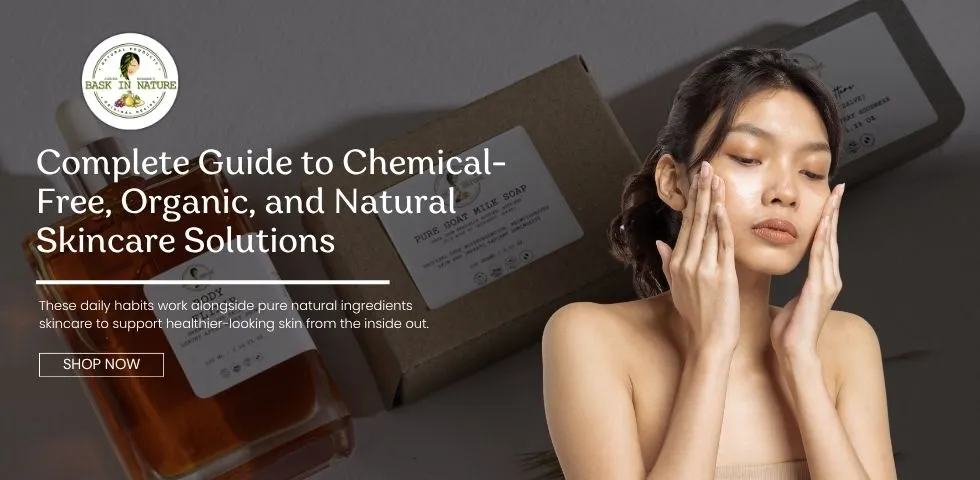
Complete Guide to Chemical-Free, Organic, and Natural Skincare Solutions
Choosing skincare today can feel confusing. Labels such as “natural,” “organic,” “plant-based,” and “chemical-free” appear on countless products, making it difficult to understand what each term actually means. Instead of relying on marketing claims, consumers should focus on how products are formulated, the quality of their ingredients, and whether they fit into a sustainable daily routine. A thoughtfully selected chemical-free face serum and a consistent plant-based skincare routine are excellent starting points for anyone looking to simplify skincare while supporting long-term skin health.
Understanding the Different Types of Skincare
Although these terms are often used together, they have different meanings.
Chemical-free generally refers to products formulated without ingredients that consumers commonly associate with harsh synthetic additives. While every cosmetic contains chemicals in the scientific sense, the term is widely used to describe gentler formulations.
Organic refers to ingredients grown and processed according to recognised agricultural standards, reducing dependence on synthetic pesticides and fertilisers.
Plant-based focuses on ingredients derived primarily from botanical sources such as herbs, flowers, fruits, seeds, and plant oils.
Understanding these differences helps consumers make informed decisions rather than selecting products based only on packaging.
Why Ingredient Quality Matters
Healthy skin depends on ingredients that work together rather than an unnecessarily long ingredient list. Products centred around pure natural ingredients skincare often prioritise botanicals, cold-pressed oils, floral waters, and naturally derived extracts that support the skin’s protective barrier.
When evaluating products, consider:
- Ingredient transparency
- Clearly explained product benefits
- Suitable formulations for your skin type
- Brands that openly discuss sourcing and manufacturing
These factors often reveal more about product quality than advertising claims alone.
Building a Balanced Routine
A successful skincare routine does not need ten different products. Instead, focus on a sequence that protects and nourishes the skin every day.
A simple routine may include:
- A gentle cleanser
- A hydrating toner or mist
- A chemical-free face serum
- A moisturiser
- Daily sunscreen
Following a plant-based skincare routine built around these essentials encourages consistency, which is often more important than constantly introducing new products.
Choosing Brands You Can Trust
Consumers today are increasingly looking beyond product claims and paying attention to the philosophy behind a brand. Transparency, responsible sourcing, and carefully developed formulations are becoming just as important as visible results.
Brands like Bask in Nature have built their approach around botanical ingredients and thoughtfully crafted formulations. Their product range reflects a commitment to organic skincare products that support everyday skin wellness without unnecessary complexity.
Similarly, their emphasis on handmade skincare products allows greater attention to ingredient selection and formulation quality, offering consumers products developed with care rather than mass-market standardisation.
Supporting Healthy Skin Beyond Products
Even the most effective skincare routine performs best when combined with healthy lifestyle habits.
Simple practices that complement your skincare include:
- Drinking adequate water throughout the day
- Eating a balanced diet rich in colourful fruits and vegetables
- Getting sufficient sleep
- Managing stress levels
- Protecting your skin from excessive sun exposure
These daily habits work alongside pure natural ingredients skincare to support healthier-looking skin from the inside out.
A Smarter Approach to Skincare
Modern skincare is moving toward simplicity, transparency, and sustainability. Instead of chasing every new trend, consumers are choosing products that fit naturally into their daily lives and align with their long-term wellness goals.
Whether you are beginning your skincare journey or refining an existing routine, choosing organic skincare products from brands that value quality and investing in handmade skincare products developed with thoughtfully selected ingredients can help create a routine that is both effective and easy to maintain.
FAQs
What is the difference between organic and plant-based skincare?
Organic skincare refers to ingredients grown under recognised organic standards, while plant-based skincare focuses on ingredients derived primarily from botanical sources.
Why should I include a serum in my skincare routine?
A serum delivers concentrated ingredients that target specific concerns while complementing the rest of your routine.
Are handmade skincare products suitable for daily use?
Yes. When formulated appropriately, they can be used as part of a consistent everyday skincare routine.
How can I identify products with pure natural ingredients?
Look for transparent ingredient lists, detailed product descriptions, and brands that clearly explain their sourcing and formulation practices.