
Handmade Skincare Products vs Commercial: What Should You Choose?
Browsing online or walking into a beauty store today can be overwhelming. Shelves are lined with products promising flawless skin, instant glow, and overnight transformation. While commercial skincare dominates the market, many consumers are now questioning whether mass-produced cosmetics are the best choice for long-term skin health. This growing awareness has increased interest in natural beauty products, natural face care products, and thoughtfully formulated alternatives that prioritize ingredient quality over marketing claims.
Understanding the difference between handmade and commercial skincare can help you choose products that truly match your skin’s needs.
How Commercial Skincare Is Typically Produced
Commercial skincare is manufactured on a large scale to meet high consumer demand. Products are designed to remain stable during transportation, storage, and extended shelf life.
To achieve this, formulations often include stabilizers, synthetic fragrances, texture enhancers, and preservatives. These ingredients help create consistency across millions of units but may not always contribute directly to skin nourishment.
Large-scale production is highly efficient, yet it often prioritizes uniformity and scalability over small-batch craftsmanship.
What Makes Handmade Skincare Different?
Unlike factory-produced cosmetics, handmade skincare products are usually created in smaller batches with greater attention to formulation quality and ingredient selection.
Smaller production runs allow brands to focus on freshness, careful blending, and maintaining the integrity of botanical ingredients. This approach also gives manufacturers greater flexibility to develop products around specific skin concerns instead of producing one formula for a broad market.
Many consumers choose organic skincare products from artisan brands because they value transparency and ingredient authenticity alongside product performance.
Comparing the User Experience
The biggest difference between commercial and handmade skincare is often the overall experience rather than immediate cosmetic results.
Commercial products may emphasize fragrance, luxurious textures, or dramatic claims. Handmade formulations typically focus on how the skin feels after weeks of regular use.
People who switch to natural face care products often appreciate:
- Lightweight nourishment
- Balanced hydration
- Comfortable daily wear
- Simpler routines with fewer products
These benefits make skincare feel less like a cosmetic routine and more like an extension of everyday wellness.
Ingredient Quality Matters
An effective skincare product is not defined by the number of ingredients it contains but by how well those ingredients work together.
For example, a thoughtfully formulated chemical-free face serum can provide targeted nourishment without relying on unnecessary additives or overly complex ingredient lists. This allows active botanical ingredients to become the primary focus of the formulation.
Likewise, organic skincare products often emphasize carefully selected plant-derived ingredients that support skin health through regular use instead of delivering only temporary cosmetic effects.
Which Option Is Right for You?
The answer depends on your priorities.
Commercial skincare may appeal to people looking for convenience or widely available products.
Handmade skincare may be a better choice if you value:
- Ingredient transparency
- Smaller-batch production
- Thoughtful formulation
- Long-term skin wellness
- Personal connection with the brand
Consumers who regularly choose natural beauty products often appreciate brands that explain how their products are made and why specific ingredients have been selected.
A Balanced Approach to Better Skincare
Choosing skincare should never be based solely on popularity or advertising. Instead, evaluate products by their ingredients, formulation philosophy, and compatibility with your skin.
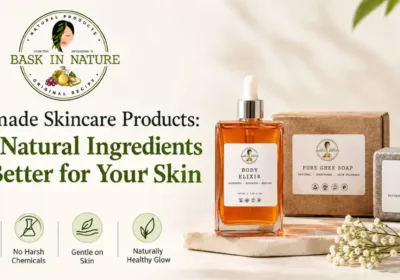
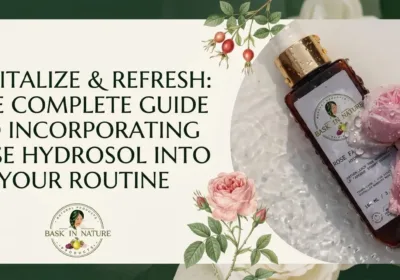
Brands like Bask in Nature demonstrate how carefully developed handmade skincare products can combine traditional botanical knowledge with modern quality standards. Products such as the Face Elixir, Rose Facial Mist, and Blue Pea Hydrosol reflect an approach centered on supporting healthy-looking skin through purposeful formulations.
Whether you are beginning your skincare journey or refining an existing routine, selecting products made with intention can lead to a more enjoyable and sustainable experience.
A high-quality chemical-free face serum and a simple daily routine are often enough to help your skin look healthier over time without unnecessary complexity.
FAQs
- Is handmade skincare better than commercial skincare?
It depends on your preferences, but handmade skincare often focuses on ingredient quality, smaller batches, and transparent formulation practices. - Why do handmade skincare products usually cost more?
They are typically produced in smaller quantities using carefully selected ingredients and more detailed manufacturing processes. - Can natural face care products be used every day?
Yes. Most are designed for regular use as part of a consistent skincare routine. - What should I look for when comparing skincare brands?
Evaluate ingredient transparency, manufacturing standards, brand philosophy, and whether the products suit your skin type.