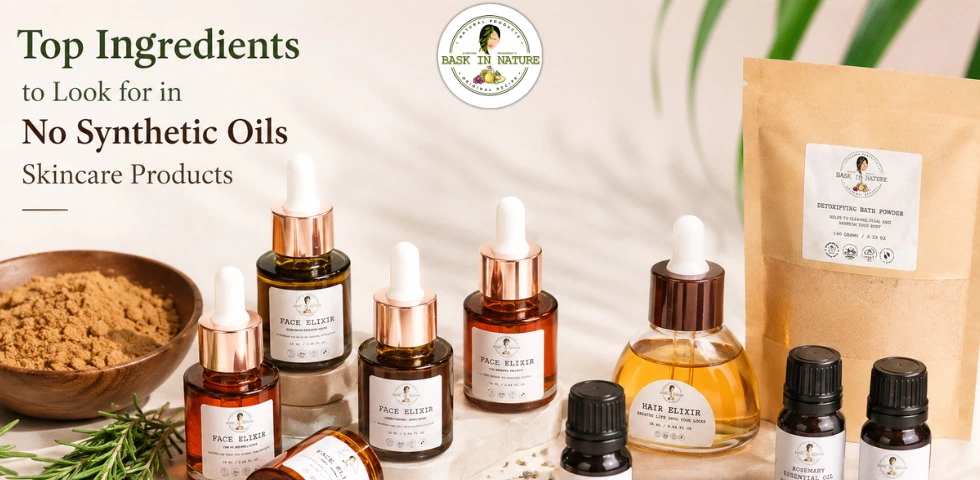
Top Ingredients to Look for in No Synthetic Oils Skincare Products
Consumers today are becoming more mindful about what goes into their skincare and haircare products. As awareness around ingredient safety grows, many people are actively searching for no additives beauty products, no synthetic oils skincare, and pure natural ingredients skincare that support long-term wellness rather than temporary cosmetic results.
This shift reflects a deeper understanding that skincare is not just about appearance; it is also about overall skin health and daily exposure to ingredients that can impact the body over time. As more consumers move toward cleaner formulations and conscious self-care, understanding what synthetic oils are and how to identify better alternatives has become increasingly important.
What Are Synthetic Oils in Skincare?
Synthetic oils are artificially processed ingredients created to mimic the texture, feel, or function of natural oils. They are commonly used in skincare and haircare products to improve spreadability, increase shelf life, or create a smooth finish on the skin.
Some widely used synthetic oils and petroleum-derived ingredients include:
- Mineral oil
- Paraffin
- Silicone-based compounds
- Artificial emollients
While these ingredients may create temporary softness or shine, they often form a surface layer rather than truly nourishing the skin or hair. In some cases, prolonged use may contribute to clogged pores, scalp imbalance, dryness, or product buildup over time.
This growing concern has encouraged more consumers to explore natural beauty products that focus on skin compatibility and long-term nourishment.
How Skincare Without Synthetic Oils Is Produced
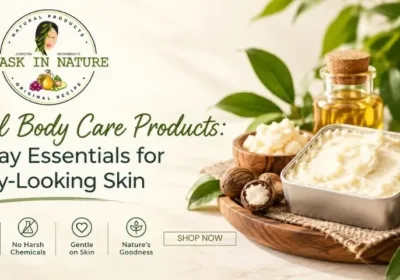
Products made without synthetic oils are usually formulated using plant-derived oils, botanical extracts, herbal infusions, and naturally sourced butters. These ingredients are carefully selected for their ability to moisturize, repair, and protect the skin without relying on artificial substitutes.
Examples of naturally nourishing ingredients include:
- Jojoba oil
- Coconut oil
- Almond oil
- Saffron-infused oils
- Shea butter
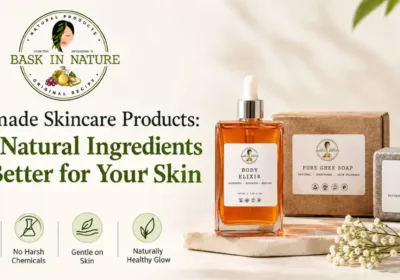
Brands like Bask In Nature, focusing on no synthetic oils skincare, often prioritize minimal processing to preserve the natural properties of these ingredients. This allows the skin to receive nutrients in a form it can better recognize and absorb.
Many consumers also prefer organic skincare products because they avoid excessive chemical processing and focus on ingredient integrity from sourcing to formulation.
How to Read and Understand Ingredient Lists
One of the most important skincare habits consumers can develop is learning how to interpret ingredient labels properly.
Ingredients in skincare and haircare products are typically listed in descending order based on concentration. This means the first few ingredients make up the majority of the product.
For example:
- If water, silicones, or synthetic oils appear at the top, the product is likely heavily processed
- If plant oils, botanical extracts, or herbal ingredients appear higher on the list, the formulation is more naturally focused
Fragrance labels can also be misleading because “fragrance” may represent a combination of undisclosed chemicals. Understanding ingredient placement helps consumers make more informed choices and identify products aligned with pure natural ingredients skincare principles.
Over time, this awareness allows people to become more intentional about the products they use daily.
Impact of Synthetic Oils on Skin, Hair, and Overall Well-Being
Many conventional skincare and haircare products rely on synthetic oils because they are inexpensive and provide immediate cosmetic effects. However, repeated exposure to heavily processed ingredients may affect skin and hair health in the long run.
Potential concerns include:
- Skin congestion and clogged pores
- Dryness caused by barrier disruption
- Scalp buildup and weaker hair texture
- Increased sensitivity or irritation
Some synthetic ingredients used alongside artificial fragrances and preservatives have also raised concerns regarding long-term exposure and overall well-being. While research in this area continues to evolve, many consumers are now choosing gentler alternatives as part of a more conscious lifestyle.
This shift has increased demand for natural beauty products that focus on nourishment rather than temporary surface-level effects. Products rooted in pure natural ingredients skincare often combine traditional botanical wisdom with modern formulation techniques to create balanced and effective routines. Similarly, organic skincare products are becoming increasingly popular among consumers who value transparency, sustainability, and mindful self-care.
Choosing Better Skincare for the Future
The growing movement toward cleaner beauty reflects a broader shift in how people approach wellness. Consumers are becoming more ingredient-aware and seeking products that support both personal health and environmental responsibility.
Choosing a brand like Bask In Nature in your daily routine, that uses no additives beauty products is not about perfection. It is more about making more informed decisions over time. By understanding ingredient lists, avoiding unnecessary synthetic oils, and prioritizing naturally nourishing formulations, people can create routines that genuinely support healthier skin and hair.
As awareness continues to grow, skincare is becoming less about quick fixes and more about long-term balance, simplicity, and care.
FAQs
- What does no synthetic oils skincare mean?
It refers to skincare products formulated without petroleum-derived or artificially processed oils commonly used in conventional cosmetics. - Are natural beauty products effective for daily use?
Yes, many natural formulations are designed to nourish and support the skin gently over long-term use. - How can I identify pure natural ingredients in skincare products?
Check the ingredient list carefully and look for plant oils, herbal extracts, and naturally sourced ingredients appearing higher on the label. - Why are organic skincare products becoming popular?
Consumers are increasingly choosing them for their ingredient transparency, minimal processing, and gentler approach to skin health.